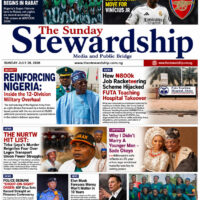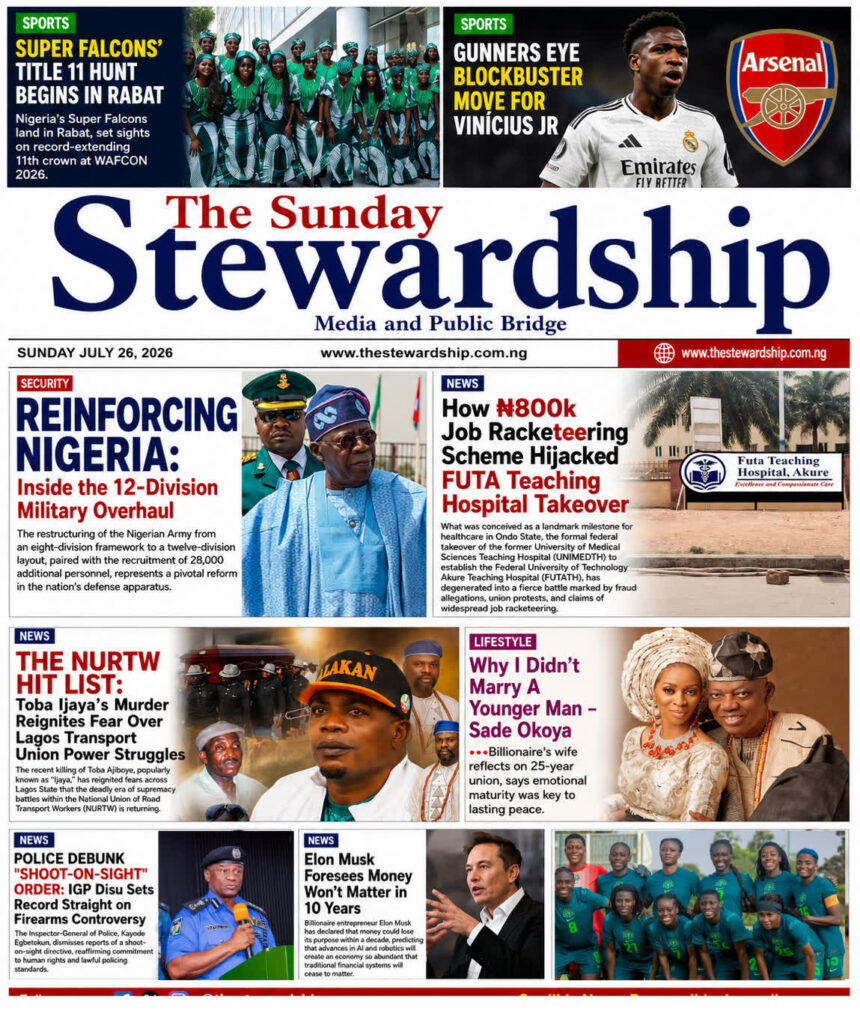
The recent killing of Toba Ajiboye, popularly known as “Ijaya,” has reignited fears across Lagos State that the deadly era of supremacy battles within the National Union of Road Transport Workers (NURTW) is returning.
For decades, power struggles, territorial control, and internal union politics in Nigeria’s commercial capital have frequently turned violent, leaving behind a trail of unsolved murders, public panic, and ongoing security concerns.
The pattern of violence traces back through several high-profile targeted killings that sent shockwaves across the state. On January 6, 2008, Alhaji Saka Saula, then acting Lagos State Chairman of the NURTW, was gunned down outside his residence around 9:30 PM.
Eyewitness accounts indicated that Saula attempted to flee upon spotting the armed assailants, but was cornered and shot. Saula was widely respected within union circles and civil society groups for his philanthropic gestures and active support during mass protests against fuel price hikes.
Following his death, prominent civil rights organizations, including the Labour and Civil Society Coalition (LASCO) and the Joint Action Forum (JAF), paid official condolence visits to the union’s Lagos headquarters. Although several arrests were made in the aftermath, the mastermind behind his assassination remains unknown.
Years later, the union was thrown into further turmoil when Azeez Otun, popularly known as “Ashake,” was killed in 2016. His death sparked intense factional clashes across Lagos Island, prompting high-profile police operations.
Seven suspects were initially arrested and charged before an Ebute-Meta Chief Magistrate’s Court, but in a subsequent legal twist, advice issued by the Directorate of Public Prosecutions (DPP) exonerated all seven defendants due to a lack of direct evidence, ordering their release while calling for the arrest and prosecution of five other alleged key figures linked to the hit.
Political and union tensions boiled over again in May 2017 with the murder of Rasak Bello, widely known as “Hamburger.” As Chairman of the Tricycle Owners Association of Nigeria (TOAN), an affiliate branch of the NURTW, in the Oshodi-Isolo area, Bello was shot dead during a violent clash during the All Progressives Congress (APC) local council primary elections in Shogunle, Oshodi.
Reports indicated that after the primary election was disrupted over procedural disputes, violent skirmishes erupted along Ago Owu Street, where Bello sustained fatal gunshot wounds before dying shortly after being rushed from the scene. The murder triggered widespread fear of reprisal attacks throughout the Oshodi axis.
Violence struck again on January 23, 2018, when Ganiyu Ayinla, known as “Pinero,” was killed on Lagos Island. Ayinla served as personal assistant to prominent Lagos Island NURTW chieftain Azeez Lawal (popularly known as “Kunle Poly”). Police investigations later revealed that Ayinla was not the intended target.
A confessed gunman arrested by the Inspector-General of Police Special Anti-Robbery Team disclosed that a rival former union official had paid a hit squad N1.5 million to assassinate Kunle Poly, but the hitmen mistakenly shot Ayinla while Kunle Poly escaped with bullet wounds.
In the latest hit, Toba Ajiboye (“Ijaya”) was ambushed on a Sunday night while returning from his childhood neighborhood in Fadeyi. Gunmen intercepted his white SUV along the busy Ikorodu Road axis and opened fire, riddling the vehicle with bullets.
Though initial social media reports suggested Ajiboye and his associates survived the hail of gunfire, hospital authorities later confirmed he succumbed to critical gunshot injuries shortly after arrival, placing Lagos security agencies on high alert amid concerns over potential retaliatory violence.