The Federal Executive Council (FEC) has approved financing arrangements worth approximately $2.96 billion, €200 million and ₦215 billion to drive investments in transportation, agriculture, renewable energy, infrastructure and Micro, Small and Medium-sized Enterprises (MSMEs) as part of the Federal Government’s strategy to stimulate economic growth and improve the welfare of Nigerians.
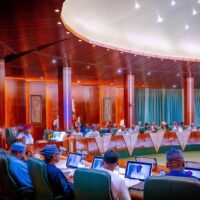
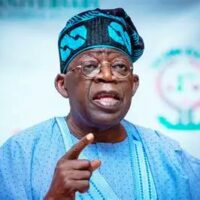
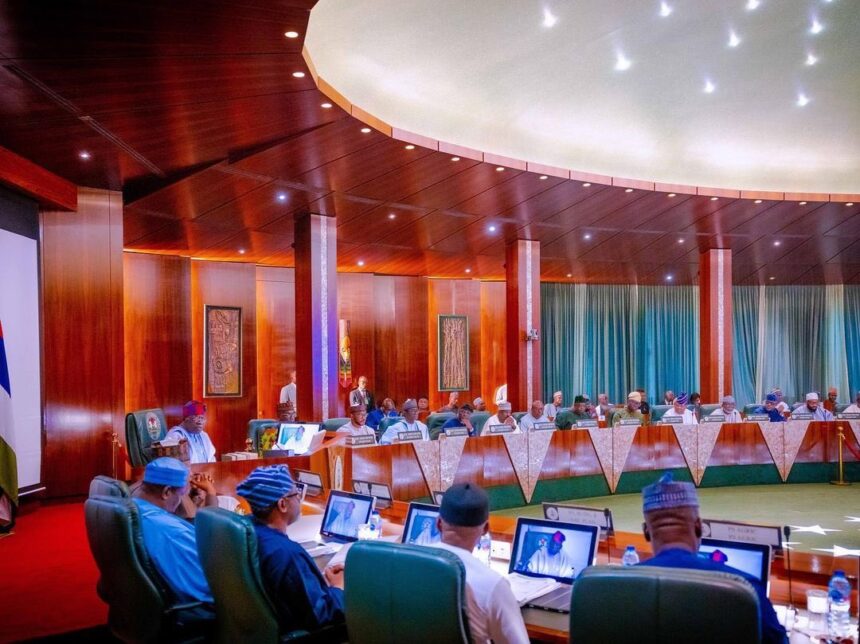
The approvals were granted during the Council’s meeting chaired by President Bola Ahmed Tinubu at the Presidential Villa, Abuja.
Briefing State House correspondents after the meeting, the Minister of Finance and Coordinating Minister of the Economy, Taiwo Oyedele, said the Council approved 14 memoranda submitted by the Ministry of Finance, with the financing packages grouped into five priority areas aimed at reducing transportation costs, strengthening food security, expanding energy access, improving infrastructure and increasing funding for small businesses.
According to Oyedele, FEC approved ₦215 billion to complete outstanding investments under the Presidential Compressed Natural Gas (CNG) Initiative. The fund will finance the procurement of CNG buses, electric vehicles, CNG-powered tricycles and the establishment of vehicle conversion centres nationwide.
He said the investment is expected to provide Nigerians with cleaner and more affordable transportation alternatives while reducing dependence on petrol and lowering the cost of commuting.
To boost food production and agricultural development, the Council also approved financing worth $900 million for Special Agro-Industrial Processing Zones (SAPZ), rural technical and vocational education, agricultural value-chain development and other initiatives designed to improve productivity, enhance food security and create employment opportunities across rural communities.
In the energy sector, the Council approved a $160 million financing facility for solar power projects in Niger State. The project will be funded through $150 million from the Islamic Development Bank and $10 million in counterpart funding from the Niger State Government.
Oyedele said the solar initiative would expand access to clean and reliable electricity, particularly in underserved communities, while supporting Nigeria’s transition to renewable energy.
The Council further approved $1.2 billion for the construction of Section Two of the Sokoto–Badagry Super Highway, one of the Federal Government’s flagship infrastructure projects.
The highway, which traverses 11 states, is expected to improve connectivity, facilitate trade, reduce transportation costs and stimulate economic activities across the country.
To strengthen support for entrepreneurs, FEC also approved €200 million alongside an additional $500 million for the Development Bank of Nigeria (DBN) to expand affordable financing for Micro, Small and Medium-sized Enterprises.
The intervention is expected to improve access to credit, support business expansion, create jobs and drive inclusive economic growth.
Oyedele described MSMEs as the backbone of Nigeria’s economy, stressing that expanding access to affordable finance remains critical to the administration’s economic reform agenda.
He also reaffirmed the Federal Government’s commitment to ensuring fairness and transparency in petroleum product pricing, noting that relevant regulatory agencies would continue to monitor market activities to protect consumers and promote healthy competition in the downstream petroleum sector.
The minister urged transport operators benefiting from government-backed CNG investments to pass the savings on to commuters through lower transport fares, saying the programme was designed to ease the cost of living for Nigerians.
The latest approvals underscore the Tinubu administration’s commitment to accelerating infrastructure development, strengthening agriculture, expanding renewable energy, supporting private enterprise and fostering sustainable economic growth through strategic public investments.