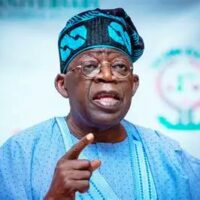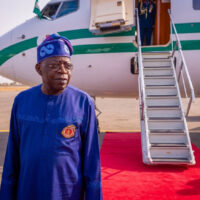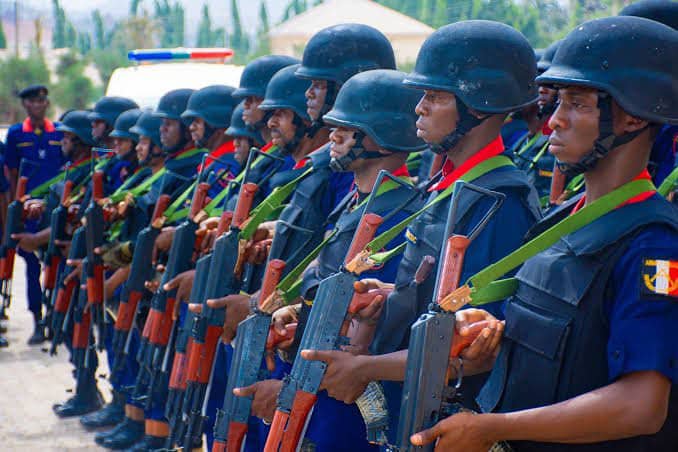
Following a directive from President Bola Ahmed Tinubu, the Federal Government of Nigeria has constituted a 10-member independent investigative committee to look into the deaths of 37 suspected illegal miners held in a cell by the Nigeria Security and Civil Defence Corps (NSCDC) in Minna, Niger State.
The Minister of Interior, Dr. Olubunmi Tunji-Ojo, announced the formation of the panel after the tragedy occurred at the NSCDC Niger State Command facility. The deceased were among dozens of suspects detained during enforcement operations carried out in the M.I. Wushishi and Lukoto regions. Initial accounts from the NSCDC suggested a sudden disease outbreak, but surviving detainees reported extreme overcrowding, severe heat, and inadequate ventilation inside the detention facility.
The investigative panel is chaired by Jonathan Kure, a retired Deputy Director-General of the Department of State Services (DSS), with Professor Isa Hayatu Chiroma (SAN), former Director-General of the Nigerian Law School, serving as secretary. Other members of the committee include retired Assistant Inspector-General of Police Hosea Hassan Karma, Professor of Histopathology Olayinka Buhari, human rights attorney Deji Adeyanju, Miners Association of Nigeria National Secretary Alhaji Liman Sulaiman, journalist Zainab Suleiman Okino, public affairs analyst Dr. George Agbakahi, as well as representatives from the Minna Emirate Council and the Niger State Government.
The committee has been given a two-week mandate to identify all the deceased, establish the precise cause and circumstances surrounding the deaths, assign responsibility or negligence, and recommend prosecution alongside compensation where appropriate.
In addition to setting up the probe panel, the Federal Government ordered the immediate suspension of the Niger State NSCDC Commandant, Suberu Aniviye, along with 20 other corps officers involved in the arrest, guard, and administrative duties surrounding the incident.
The Minister of Interior warned that any attempt by officials to alter records, conceal evidence, or intimidate witnesses during the investigation would be prosecuted as a serious criminal offense.