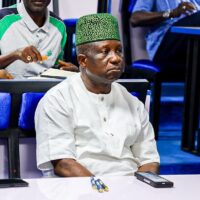
Deep-seated public doubt across Southern Nigeria is actively obstructing citizens from accessing major federal social programs, leaving Northern beneficiaries to snap up available opportunities, according to Taiwo Oyedele, Chairman of the Presidential Committee on Fiscal Policy and Tax Reforms.
Speaking during a national conversation assessing public accounts, government reforms, and interventions under President Bola Ahmed Tinubu’s administration, Oyedele explained that a pervasive culture of skepticism in the South causes residents to constantly question whether federal initiatives are genuine, scams, or political gimmicks.
This hesitant “wait-and-see” approach stands in sharp contrast to the North, where institutions rapidly upload required data and students actively apply, allowing Northern applicants to secure early disbursements and fully benefit from federal interventions like the Nigerian Education Loan Fund (NELFUND).
The issue came to a head when a forum participant, Bassey Udoh, openly challenged the Federal Government’s reported beneficiary numbers, claiming that none of his three university-enrolled children had received NELFUND support. Responding directly to Udoh, Oyedele urged him to thoroughly cross-check his children’s claims.
He revealed that government records show a distinct trend where university students apply for and receive NELFUND tuition disbursements and monthly upkeep allowances without informing their parents, continuing to collect full educational allowances from home while quietly benefiting from the federal scheme.
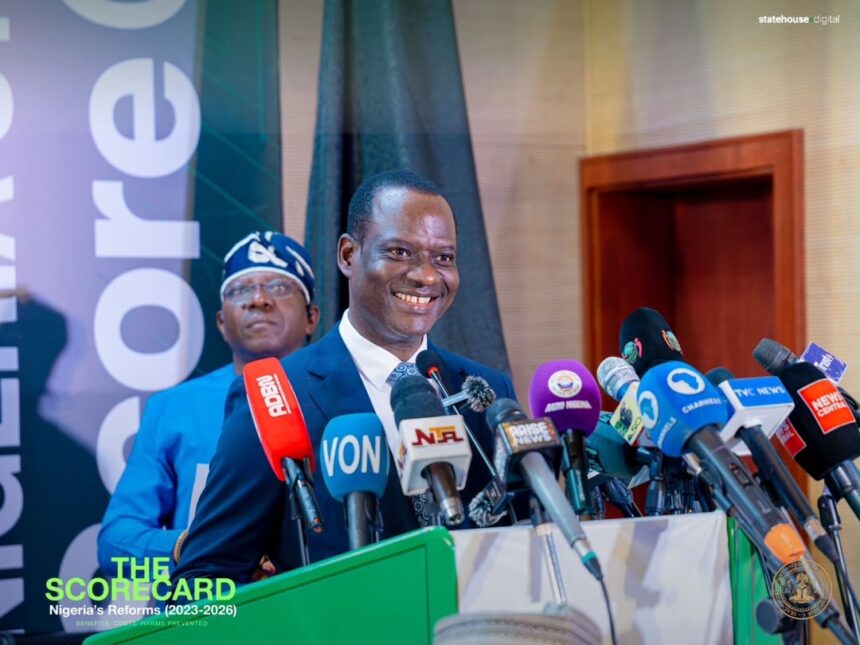
At the directive of President Bola Ahmed Tinubu, the Federal Ministry of Finance, Information, Budget, and Economic Planning subsequently held a press conference to present “Nigeria’s Reform Scorecard” and directly engage citizens on pressing concerns surrounding recent economic policies.
Government officials addressed core public issues, including the removal of the petrol subsidy, foreign exchange adjustments, rising revenues, debt management, external reserves, public resource allocation, cost-of-living challenges, and targeted poverty alleviation.
While acknowledging that the economic transition has been tough on households, the administration stressed that reforms are meant to build a stable economy, drive job creation, support businesses, and attract investment. Emphasizing transparency and accountability, officials encouraged citizens to review the full scorecard details on the official portal at finance.gov.ng.