
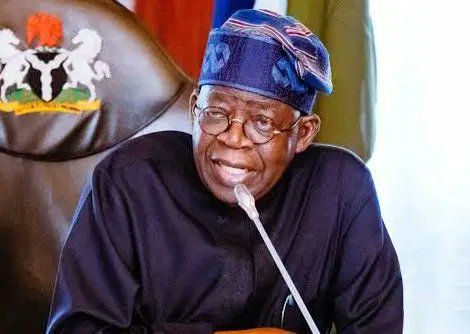
President Bola Ahmed Tinubu has approved a ₦3.3 trillion payment plan aimed at settling long-standing debts in Nigeria’s power sector and restoring reliable electricity supply across the country.
The approval, announced under the Presidential Power Sector Financial Reforms Programme, follows a comprehensive review of legacy debts accumulated between 2015 and 2025, which have hindered the growth and efficiency of the sector.
According to the Special Adviser to the President on Information and Strategy, Bayo Onanuga, the settlement represents a full and final resolution of the verified obligations, designed to restore confidence and stability across the power value chain.
Implementation of the plan is already underway, with 15 power generation companies signing settlement agreements worth ₦2.3 trillion. The Federal Government has so far raised ₦501 billion to fund the initiative, out of which ₦223 billion has been disbursed, while further payments are ongoing.
Energy experts say the intervention is expected to significantly improve electricity generation and supply, as power plants receive much-needed financial support to sustain operations.
Speaking on the development, the Special Adviser on Energy, Olu Arowolo-Verheijen, said the programme goes beyond debt settlement, noting that it is designed to ensure gas suppliers are paid, power plants remain operational, and the entire system functions more efficiently.
She added that the reforms also include improved metering and service-based tariffs that align electricity costs with the quality of supply received by consumers.
The Federal Government further disclosed that priority will be given to powering businesses, industries, and small enterprises, in a bid to stimulate economic growth, create jobs, and support livelihoods.
President Tinubu commended stakeholders for their support in addressing the sector’s long-standing challenges and confirmed that the next phase of the programme is set to commence within the current quarter.
Analysts believe the initiative could mark a turning point for Nigeria’s troubled power sector if effectively implemented and sustained.