

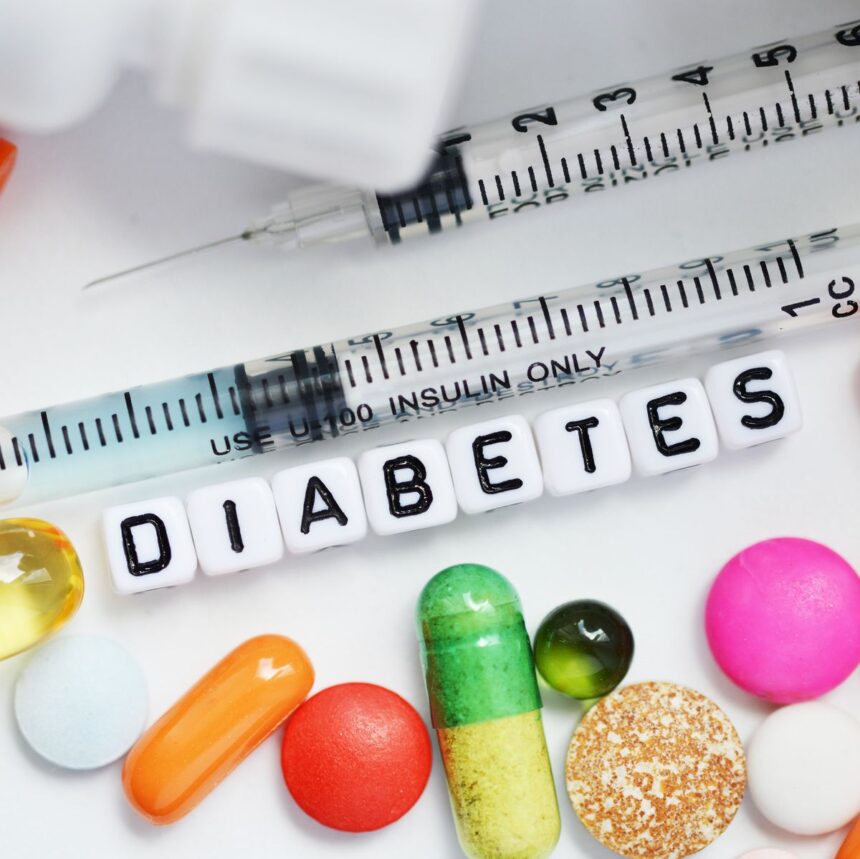
The Diabetes Association of Nigeria (DAN) has issued an urgent appeal to the Federal Government for immediate intervention on behalf of an estimated 11.4 million Nigerians living with diabetes, warning that a more than 500 per cent surge in the cost of insulin and essential medications has pushed routine care out of reach for ordinary families and left thousands facing preventable blindness, kidney failure, and amputations.
In an open letter addressed to the Coordinating Minister of Health and Social Welfare, Prof. Muhammad Ali Pate, to mark the 2026 World Diabetes Day, the National President of the association, Prof. Ejiofor Ugwu, warned that the 11.4 million figure represents only diagnosed cases and that the true burden across Nigeria could be up to three times higher due to widespread lack of screening.
Prof. Ugwu revealed that only about one-third of diagnosed patients currently receive appropriate medical treatment, while just a third of those on treatment achieve proper blood-sugar control. With insulin costs having surged by roughly 500 per cent since 2023, pushing a single vial from about ₦4,000 to between ₦18,000 and ₦22,000, and blood-glucose testing strips and oral drugs rising similarly, many low- and middle-income patients are unable to sustain monthly management.

”These are not just statistics,” Prof. Ugwu stated in the appeal. “These are mothers rationing insulin, fathers skipping blood sugar tests for lack of strips, parents choosing between insulin and school fees for a child with Type 1 diabetes, and workers presenting late with blindness, kidney failure or a foot to be amputated, complications that could have been prevented. No Nigerian should die because he or she is poor.”
According to data highlighted by the association, 94 per cent of Nigerians living with diabetes have suffered at least one major complication, while 80 per cent were only diagnosed after severe complications had already set in. Eye complications affect roughly 40 per cent of patients, making diabetes one of Nigeria’s top three causes of blindness, while at least one in three stroke patients and one in two heart attack patients admitted to teaching hospitals live with the condition.
The association further lamented the absence of a National Diabetes Registry, noting that health authorities still rely largely on fragmented hospital records and international surveys to track the epidemic, even as changing dietary habits, sedentary lifestyles, and the heavy consumption of ultra-processed foods drive rising diagnoses among younger adults in their 30s and 40s.
Calling on the government to move beyond ceremonial speeches, DAN urged the Federal Ministry of Health and Social Welfare to subsidize insulin and essential testing supplies, grant import duty and tax waivers on diabetes medications, establish a National Diabetes Registry, and expand coverage under the National Health Insurance Authority (NHIA) so that screening, drugs, and complication care are accessible to Nigerians regardless of income.
”Let this not be another year of speeches while our members die quietly,” Prof. Ugwu added. “Let this be the year the Federal Government acts decisively to make diabetes care affordable, accessible and available to every Nigerian, rich or poor, urban or rural.”




 has issued an urgent appeal to the Federal Government for immediate intervention)