
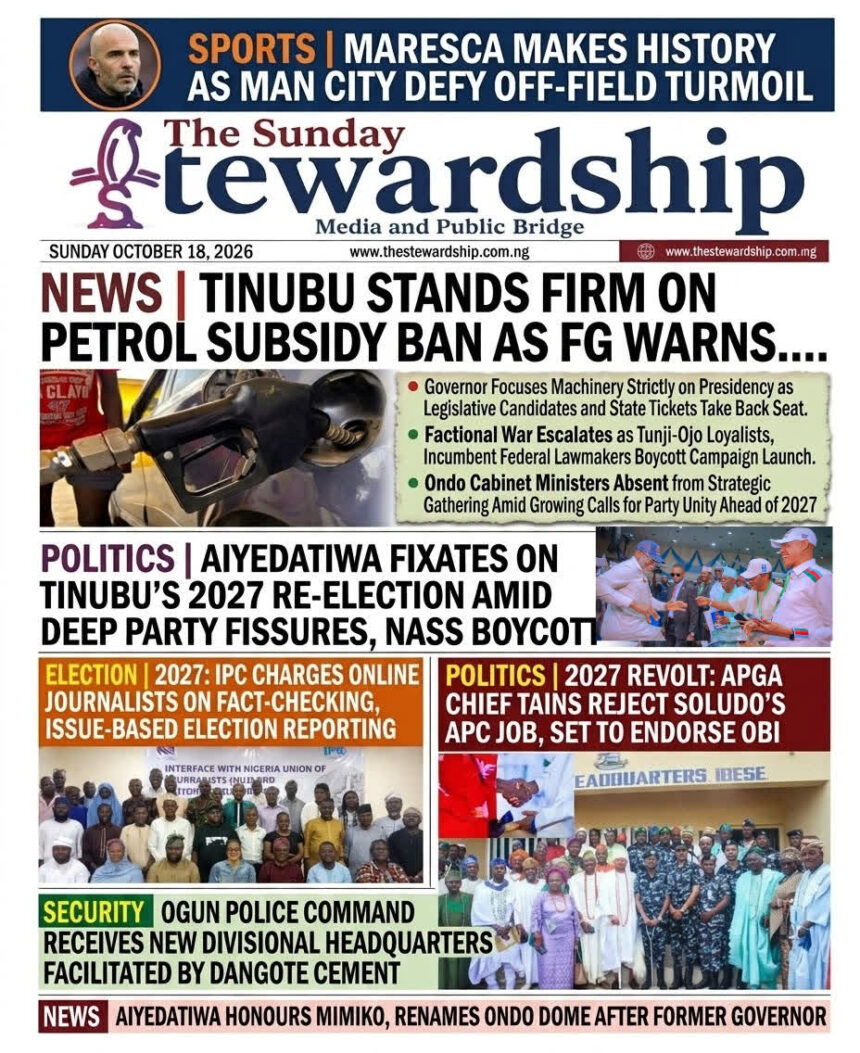
The Federal Government has firmly shut the door on any potential return to the petrol subsidy regime, warning that reversing its deregulation policy would trigger catastrophic capital flight, severely devalue the naira, and destroy the gains of ongoing economic reforms.
Speaking on the administration’s policy trajectory, Minister of Finance and Coordinating Minister of the Economy Taiwo Oyedele emphasized that any policy reversal or signal of a returning subsidy would instantly spook international investors, prompting massive capital withdrawals that would paralyze the foreign exchange market.
Oyedele asserted that President Bola Ahmed Tinubu remains resolute in his refusal to reintroduce petrol subsidies or multiple exchange rates, making it clear that government-funded fuel consumption is permanently over.
The government’s unyielding stance leaves citizens facing a defining choice on how to navigate the relentless economic pressure. Observers note that rather than exhausting energy demanding the return of a dead-weight subsidy, citizens are compelled to channel their hope into demanding tangible, non-subsidy relief mechanisms, such as the rapid deployment of Compressed Natural Gas (CNG) mass transit systems, full implementation of wage increases, targeted cash transfers, and tax waivers on essential goods.
Alternatively, for millions of Nigerians bearing the heavy brunt of inflation, the administration’s refusal to back down presents a democratic lever, giving voters the option to express their grievances at the ballot box and vote out the ruling party in the 2027 general elections.
The sharp escalation in energy costs, however, reflects a broader global crisis rather than an isolated domestic event. Countries across the globe are grappling with historic energy hikes driven by geopolitical tensions, currency fluctuations, and supply chain disruptions. In the United Kingdom and Europe, where households face soaring heating and electricity costs, governments have avoided blanket price caps, choosing instead to levy windfall taxes on energy giants to fund direct cash transfers and accelerate alternative power infrastructure.
In the United States, volatile pump prices have been managed through strategic petroleum reserve releases and increased domestic production. Meanwhile, developing nations such as Kenya and Bangladesh have been forced to dismantle costly state fuel subsidies under strict fiscal consolidation plans, turning to targeted relief and renewable transition to avert sovereign debt defaults.
As Nigeria navigates these global headwinds, President Tinubu’s administration insists that maintaining tough market-driven reforms remains the only viable path toward long-term national solvency.