A fresh strike hit Riyadh’s King Khalid International Airport, killing at least one person and injuring 11 others, just hours after a previous missile assault left 12 dead, including an American citizen, and wounded over 300 travelers.
The repeated bombardments targeted Terminals 3 and 4, which handle domestic flights, sending panic through crowded departure lounges and causing structural damage inside the facilities.
Civil aviation authorities extended airport operational suspensions in Riyadh, while additional projectiles were reported near King Fahd International Airport in Dammam. In response to the intensifying attacks, local officials shifted public schools in the capital to online instruction, and several foreign governments—including the U.S., Britain, Canada, and Australia—issued strict warnings advising citizens to avoid travel to Saudi Arabia.
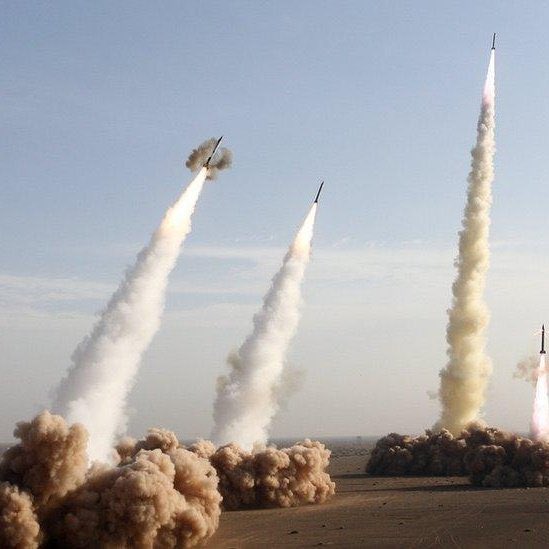
The Iran-backed Houthi rebels in Yemen claimed responsibility for the barrage, warning international airlines, employees, and passengers to stay clear of all Saudi airports and airspace, exempting only religious transit to Mecca and Medina. Houthi military representatives stated the strikes were carried out in retaliation for a widespread coalition offensive against their positions in Yemen.
The loss of life and direct disruption to civilian travel have heightened the risk of broader regional conflict. U.S. President Donald Trump indicated that Washington is evaluating potential joint military strikes alongside Saudi Arabia, emphasizing that decisions on retaliatory action would be made swiftly following the death of an American national.
Meanwhile, regional coalition forces continue to investigate how incoming drones and low-altitude missiles successfully bypassed defense systems to hit the capital.