Beyond the Myths: 13 Nutrient-Dense Foods for Heart Health and What Science Actually Says
In an era dominated by viral social media posts promising instant health cures, claims that simple grocery items can “miracle-cleanse” or “unclog” arteries frequently go viral. Yet medical experts caution against treating dietary choices as silver-bullet treatments for complex cardiovascular conditions.
Cardiovascular disease remains one of the leading health challenges worldwide, contributing to over 200,000 deaths in Nigeria annually, according to the Nigerian Heart Foundation. While nutrition plays a vital, evidence-based role in protecting heart function and managing metabolic risk factors, cardiologists emphasize that no single food can physically reverse established arterial plaque or replace prescribed clinical care.
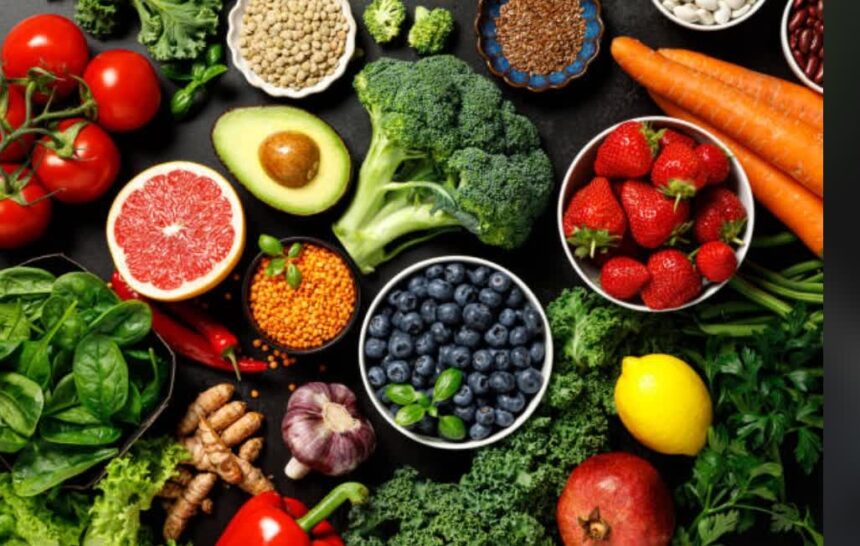
Instead, scientific consensus underscores that nutrient-dense foods work synergistically over time to lower inflammation, regulate blood pressure, improve lipid balances, and maintain vascular flexibility. Below is an evidence-based breakdown of 13 foods commonly highlighted for cardiovascular wellness—and how they actually support your heart.
1. Beets for Blood Pressure Regulation
The Mechanism: Beets are naturally rich in dietary nitrates, which the body converts into nitric oxide. Nitric oxide acts as a potent vasodilator, signaling smooth muscle tissues in blood vessel walls to relax and widen.
The Clinical Reality: Regular consumption of beetroot juice or cooked beets has been shown in clinical trials to produce modest, measurable reductions in both systolic and diastolic blood pressure, improving overall vascular compliance.
2. Oats for Total Cholesterol Management
The Mechanism: Oats are one of the primary dietary sources of beta-glucan, a viscous soluble fiber.
The Clinical Reality: In the digestive tract, beta-glucan forms a gel-like substance that binds to cholesterol-rich bile acids, promoting their excretion. To replenish bile, the liver pulls LDL (bad) cholesterol from the bloodstream, naturally lowering circulating blood cholesterol levels over time.
3. Cayenne Pepper for Peripheral Vascular Health
The Mechanism: Cayenne contains capsaicin, an active compound that stimulates the release of endothelial nitric oxide and aids microvascular circulation.
The Clinical Reality: While eating spicy pepper will not clear blocked peripheral arteries, capsaicin helps promote blood vessel dilation and temporary blood flow efficiency.
4. Avocado for Cardiac Rhythm and Mineral Balance
The Mechanism: Avocados provide significant quantities of bioavailable potassium and magnesium, alongside heart-healthy monounsaturated fats.
The Clinical Reality: Potassium and magnesium are essential electrolytes required for cellular action potentials—the electrical impulses that dictate a steady heart rhythm. Inadequate electrolyte levels are a recognized trigger for cardiac irritability and benign ectopic beats.
5. Pomegranates for Endothelial Function
The Mechanism: Pomegranates contain high concentrations of unique polyphenols known as punicalagins and anthocyanins.
The Clinical Reality: Contrary to social media claims, pomegranates cannot “scrape” or “dissolve” established arterial plaque. However, their potent antioxidant activity helps protect the arterial lining (the endothelium) from oxidative damage, slowing the oxidation of low-density lipoproteins, a key precursor to plaque formation.
6. Bananas for Electrolyte and Fluid Harmony
The Mechanism: Bananas offer an easily digestible source of potassium, providing approximately 400 mg per medium fruit.
The Clinical Reality: Potassium works in direct opposition to dietary sodium. By assisting the kidneys in flushing excess sodium through urine, potassium helps ease arterial wall tension, mitigating sudden blood pressure spikes and associated heart palpitations.
7. Walnuts for Triglyceride and Lipid Profile Support
The Mechanism: Walnuts stand out among tree nuts for their exceptionally high concentration of plant-based omega-3 fatty acids, specifically alpha-linolenic acid (ALA).
The Clinical Reality: Regular intake of dietary ALA supports liver lipid metabolism, helping to maintain healthy fasting triglyceride levels and reduce systemic vascular inflammation.
8. Garlic for Arterial Elasticity
The Mechanism: Crushing or chopping raw garlic triggers the formation of allicin and other organosulfur compounds.
The Clinical Reality: Clinical studies indicate that allicin helps suppress enzyme activity involved in cholesterol synthesis while promoting mild vasodilation, aiding long-term blood vessel elasticity in individuals with early-stage hypertension.
9. Extra Virgin Olive Oil for High-Density Lipoprotein (HDL) Quality
The Mechanism: Extra virgin olive oil is rich in oleic acid (a monounsaturated fatty acid) and phenolic antioxidants like oleocanthal.
The Clinical Reality: Replacing saturated cooking fats with extra virgin olive oil not only helps raise HDL (“good”) cholesterol levels, but also enhances HDL functionality, improving the body’s capacity to transport excess cholesterol back to the liver for clearance.
10. Almonds for LDL Reduction and Glycemic Control
The Mechanism: Almonds combine monounsaturated fats, plant sterols, dietary fiber, and vitamin E.
The Clinical Reality: Plant sterols structurally compete with dietary cholesterol for absorption in the intestines. Replacing high-carbohydrate snacks with almonds helps reduce circulating LDL cholesterol while stabilizing post-meal blood sugar levels.
11. Watermelon for Fluid Balance and Vascular Tone
The Mechanism: Watermelon has high water content and supplies L-citrulline, an amino acid that serves as an internal precursor to nitric oxide production.
The Clinical Reality: The high potassium and water content act as a mild natural diuretic to help reduce fluid retention, while L-citrulline supports arterial wall relaxation.
12. Dark Chocolate for Cerebrovascular Circulation
The Mechanism: High-cocoa dark chocolate (70% cocoa or higher) contains dense concentrations of cocoa flavanols.
The Clinical Reality: Flavanols stimulate the cerebral endothelium, improving cerebral blood flow velocity and oxygen delivery to brain tissues while preserving microvascular health.
13. Spinach for Myocardial Support and Oxygen Transport
The Mechanism: Dark leafy greens like spinach offer a rich matrix of dietary nitrates, folate, magnesium, and non-heme iron.
The Clinical Reality: Folate aids in breaking down homocysteine, an amino acid linked to elevated cardiovascular risk when present in high concentrations, while magnesium and iron support energy metabolism and oxygenation within myocardial (heart muscle) cells.
The Verdict: Integration Over Isolation
While incorporating these 13 whole foods into a daily diet offers profound preventative benefits, nutritionists and cardiologists maintain that context is everything.
Whole-food nutrition acts as a long-term defense system, protecting the vascular lining, balancing blood lipids, and managing systemic blood pressure. However, lifestyle changes must be paired with routine medical screenings, regular exercise, stress management, and prescribed pharmaceutical therapies when clinically indicated.
Medical Disclaimer: This article is intended for educational and informational purposes only and does not constitute medical advice. Readers experiencing chest pain, persistent shortness of breath, severe heart palpitations, or symptoms of high blood pressure should seek immediate clinical evaluation from a qualified healthcare provider.