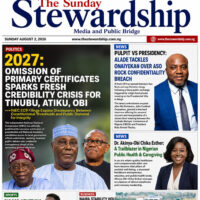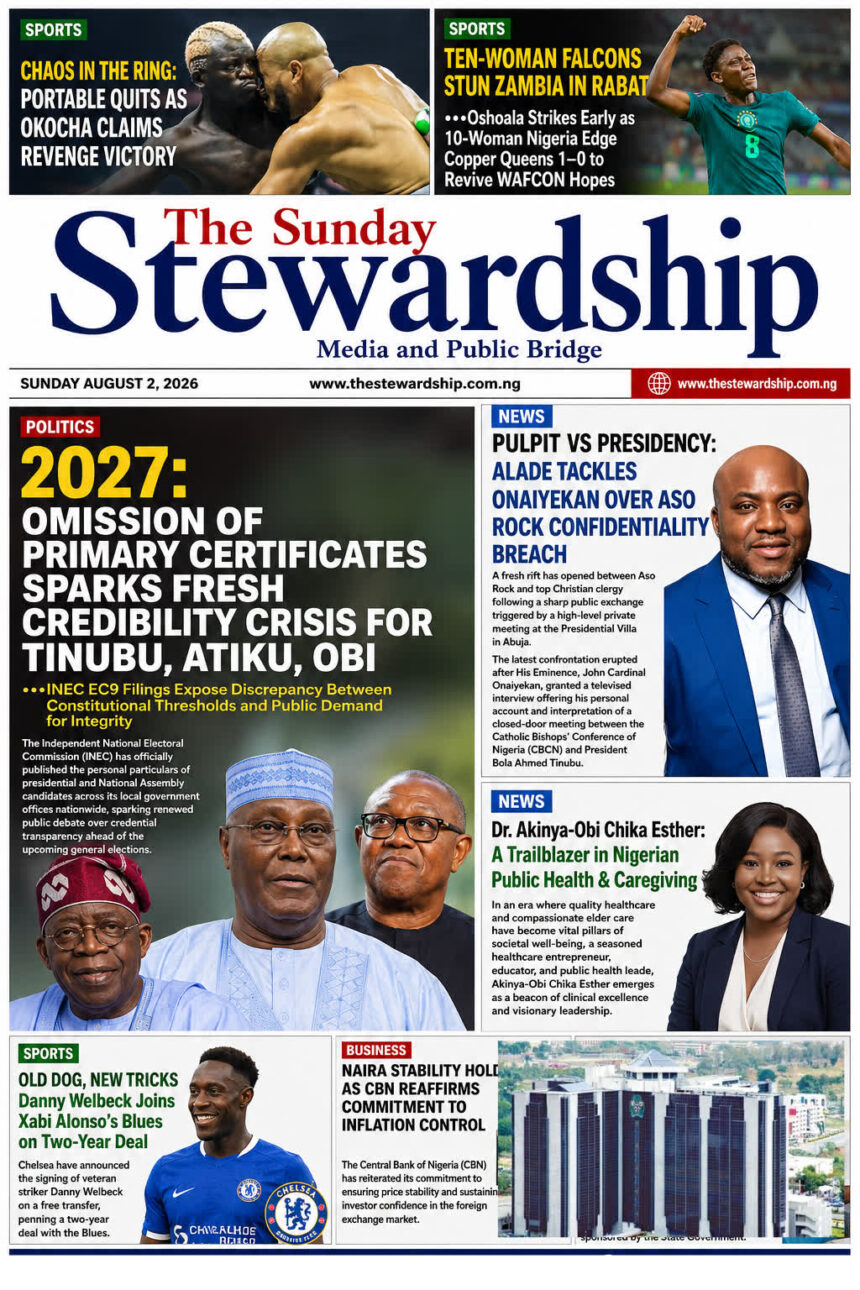
•••NEC EC9 Filings Expose Discrepancy Between Constitutional Thresholds and Public Demand for Integrity
The Independent National Electoral Commission (INEC) has officially published the personal particulars of presidential and National Assembly candidates across its local government offices nationwide, sparking renewed public debate over credential transparency ahead of the upcoming general elections.
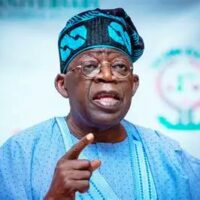
While the filings confirm that major contenders—including President Bola Ahmed Tinubu of the All Progressives Congress (APC), Atiku Abubakar of the Peoples Democratic Party (PDP), and Peter Obi of the Labour Party (LP), satisfy the constitutional minimum threshold, the decision by all three candidates to omit primary school credentials from their Form EC9 submissions has drawn widespread scrutiny.
Under Section 131(d) of the 1999 Constitution of the Federal Republic of Nigeria (as amended), a candidate for the office of the President is legally qualified provided they have attained at least a School Certificate level or its equivalent. Possessing higher educational qualifications legally fulfills this requirement, meaning the absence of primary school certificates does not render any of the contenders ineligible.
However, political analysts and civic groups emphasize that technical adherence to the constitutional floor does not resolve the serious credibility and transparency concerns surrounding the foundational educational backgrounds of the nation’s top political figures.
Primary school certificates and early enrolment records represent the initial paper trail of any public officer’s identity. These baseline documents serve a critical function in verifying real age, authenticating early background details, and enabling comprehensive vetting.
In a political landscape frequently marred by disputes over age adjustments and academic documentation, the complete omission of foundational schooling records by all three top contenders creates unnecessary ambiguity and weakens public trust in the thoroughness of candidate disclosures.
Consequently, civic commentators argue that none of the main political figures can claim moral superiority or play the saint regarding public integrity. Prior to the 2023 general elections, figures such as Atiku Abubakar and Peter Obi frequently urged leaders to “speak truth to power” while directly questioning Bola Tinubu’s academic records.
However, with all three key contenders now presenting incomplete foundational background disclosures, none can validly position themselves as the sole standard of transparency or brand opponents as uniquely deficient.
As public demand grows for complete candor from those aspiring to lead the nation, stakeholders stress that the presidency requires total openness rather than bare minimum compliance.
Calls are increasingly mounting for the three leading candidates to provide a clear, unvarnished accounting of their early educational histories to address persistent public doubts, offer an apology to Nigerians for these recurring moral and administrative shortcomings, or reconsider their standing to contest the upcoming presidential election.