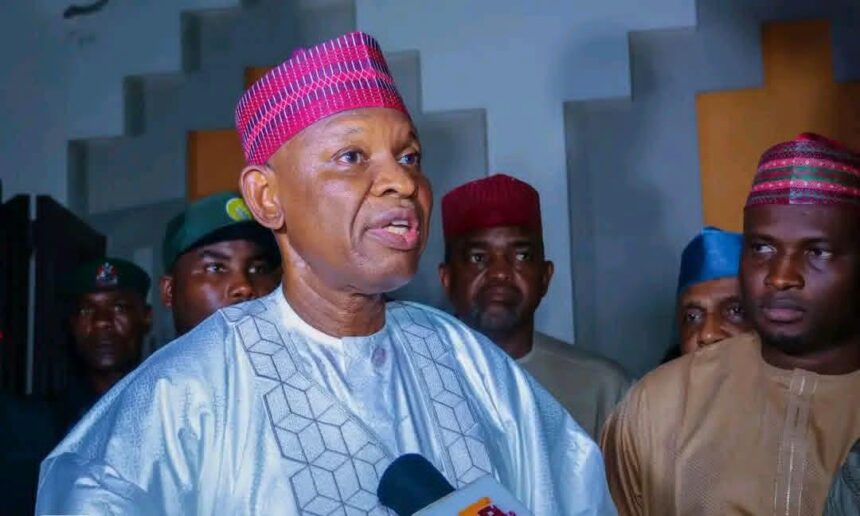
Kano State Governor, Abba Kabir Yusuf, has resigned his membership of the New Nigeria People’s Party (NNPP), alongside 21 members of the Kano State House of Assembly, eight members of the House of Representatives, and 44 local government chairmen across the state.
The governor formally communicated his decision in a letter addressed to the Chairman of the Diso-Chiranchi Ward of the NNPP in Gwale Local Government Area, announcing his resignation with effect from Sunday, January 25, 2026.
In the letter, Governor Yusuf expressed deep appreciation to the NNPP for the opportunity to serve, thanking the party’s leadership and members across Kano State for their support and cooperation since he joined the party in 2022.
He attributed his resignation to persistent internal crises, leadership disagreements, and ongoing legal battles within the party, many of which are currently before the courts. According to him, these issues have led to widespread disenfranchisement of members, deepening divisions within the party and creating uncertainty at both the state and national levels.
Governor Yusuf stated that, after careful reflection, he concluded that his decision to leave the NNPP was in the best interest of the people of Kano State, stressing that the move was taken in good faith, without ill will, and with continued commitment to peace, unity, and development.
Although the governor did not announce his next political destination, his resignation has effectively put to rest months of political permutations, particularly those linking him to the ruling All Progressives Congress (APC).
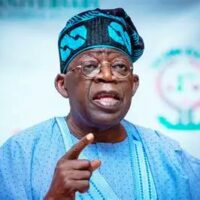
Political observers note that the development comes on the heels of a recent high-level meeting between Governor Yusuf and President Bola Ahmed Tinubu, after which insiders say outstanding political calculations were resolved, further fuelling widespread expectations that the governor is set to align with the APC in the coming days.
The development marks a major shift in Kano State’s political dynamics and is expected to have far-reaching implications ahead of future political contests.