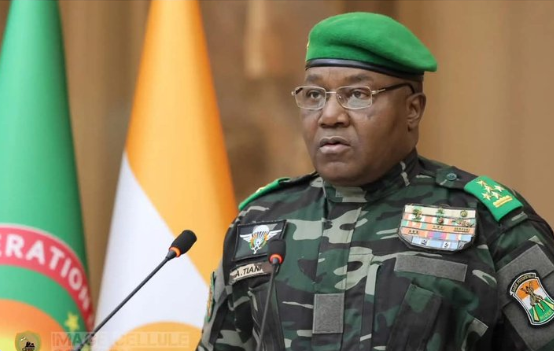
Intelligence agencies from Niger, Mali, and Burkina Faso have announced plans to release the names of senior Nigerian politicians allegedly providing support to bandit groups terrorising the country’s North-West.
The development was revealed by counter-insurgency analyst Zagazola Makama, who translated a statement issued by the Sahelian intelligence network and shared it publicly.
According to the report, the Alliance of Sahel States (AES), comprising Niger, Mali, and Burkina Faso – claims to already possess a list of political figures said to be sponsors of banditry in Nigeria. Some individuals believed to have supplied arms and logistics to these groups have reportedly been arrested.
“The AES agencies have arrested gun-runners crossing into Nigeria who are linked to these kingpins. The scale of their arms transactions is alarming,” one security source was quoted as saying.
The move underscores heightened regional security cooperation aimed at dismantling transnational criminal networks of arms trafficking and militant financing that have fueled instability across the Sahel and West Africa.
Nigeria has for years battled widespread banditry, kidnappings, and communal violence in states such as Zamfara, Katsina, Sokoto, Kebbi, and Kaduna. The possibility that senior politicians could be exposed as collaborators has raised major political, diplomatic, and legal implications.
Security observers say the revelation, if substantiated, may put pressure on Nigerian authorities to investigate and prosecute sponsors of insecurity regardless of their status.
The Chief of Defence Staff, General Christopher Musa, had earlier pledged to expose terrorism financiers, acknowledging that international and legal complexities had slowed progress.
With the AES nations now pledging to make their findings public, the region may be on the brink of one of the most politically sensitive disclosures in Nigeria’s fight against insecurity.