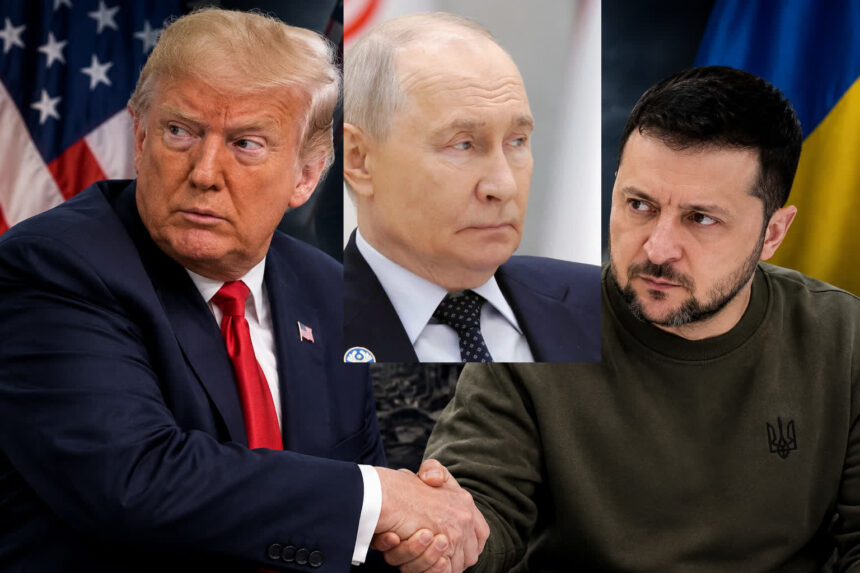
Tensions between US President Donald Trump and Ukrainian President Volodymyr Zelenskyy escalated dramatically following a controversial decision by the US administration to permit Russian diesel exports into global markets.
The agreement, which allowed Russia to export hundreds of thousands of tons of diesel in an effort to tame soaring international fuel prices and ease domestic economic pressure ahead of US midterm elections, sparked fierce outrage in Kyiv.
President Zelenskyy characterized the US arrangement with Moscow as a direct betrayal of Ukraine and its international allies. In public remarks and an interview with media outlets, Zelenskyy described the sudden easing of energy sanctions as a weak decision by strong partners and likened it to handing a birthday gift to Russian President Vladimir Putin.
He argued that lifting financial pressure on Moscow’s energy sector provides a vital financial lifeline that directly funds Russia’s war machine, undermining international sanctions and effectively prolonging the conflict while Ukraine continues to suffer under Russian military attacks.
Zelenskyy further expressed frustration that the Ukrainian negotiating team was merely being used as a smokescreen, asserting that partners should not behave this way toward a nation fighting for its survival.
The sharp public condemnation from Kyiv drew a swift and harsh response from the White House. President Trump defended the fuel agreement as a necessary step to stabilize global diesel supplies and reduce fuel costs.
Trump directed sharp criticism back at Zelenskyy, ordering Ukraine to immediately halt drone and missile strikes targeting Russian oil refineries and fuel processing infrastructure. Trump stated that while Ukraine can act as it wishes elsewhere, attacking Russian refineries directly threatens global energy stability, warning Zelenskyy that he better stop. Trump concluded his remarks by publicly calling for a leadership change in Kyiv, asserting that it is time for Ukraine to elect a new president who would be willing to make a deal and end the war.