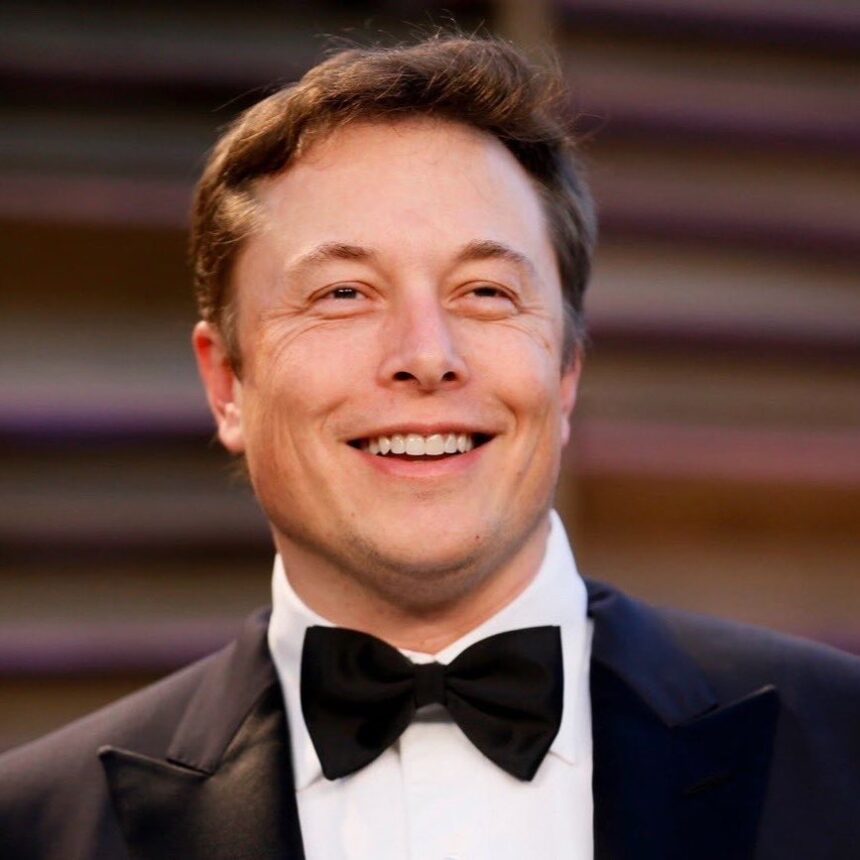
Billionaire entrepreneur Elon Musk has declared that money could lose its purpose within a decade, predicting that advances in artificial intelligence and robotics will create an economy so abundant that traditional financial systems will cease to matter.
He stated flatly that money won’t matter in 2036.
When questioned on how an economy could function without currency, Musk argued that the core purpose of money is to acquire essential goods and services, such as food, housing, healthcare, and entertainment.
Once autonomous AI systems and humanoid robots begin generating resources at a scale far exceeding human consumption, he argued, scarcity itself will effectively dissolve.
Musk asked what people would need money for if robots and AI are providing more goods and services than any human could possibly consume. Addressing fears of widespread job displacement, he suggested that society will transition toward direct financial support, proposing that national treasuries could simply issue checks to citizens.
Challenged on whether unbacked currency distribution would trigger runaway inflation, Musk countered that extreme technological output alters standard economic models. Defining inflation as the ratio of money supply to available goods, he predicted that massive robotic productivity would trigger structural deflation rather than rising prices.
Asked how humanity will navigate the political and economic tensions during this transition, Musk acknowledged his own fluctuating perspective on the rapid rise of AI, describing the technology as exhilarating and terrifying, and admitting that his outlook swings between optimism and existential concern on a daily basis.
While mainstream economists caution that supply-chain constraints and political friction will slow any transition to a post-scarcity state, Musk maintained that the shift toward automated abundance is now functionally inevitable.