
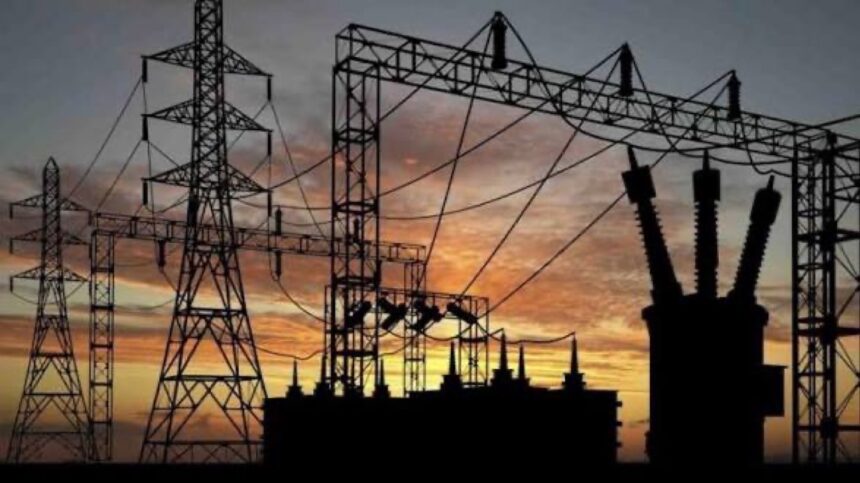
The Federal Government has reaffirmed its commitment to clearing longstanding power sector liabilities with a ₦3.3 trillion debt settlement plan, describing the scheme as a critical step to stabilise Nigeria’s electricity value chain and restore investor confidence.
The Presidency clarified that President Bola Ahmed Tinubu approved the payment plan under the Presidential Power Sector Financial Reforms Programme following a comprehensive review of legacy debts accumulated between February 2015 and March 2025. After verification and reconciliation exercises, the government and participating companies agreed that ₦3.3 trillion represents the full and final settlement of verified obligations.
So far, 15 power generation companies (GenCos) have signed settlement agreements covering obligations totalling approximately ₦2.3 trillion, with additional payments to be made as funds become available. To finance the initiative, the government has raised ₦501 billion from a bond issuance, of which ₦223 billion has already been disbursed to the companies.
Officials described the programme as more than a mere debt clearance exercise, highlighting its role in improving liquidity throughout the power sector, ensuring timely payment to gas suppliers, and supporting consistent generation capacity. Reforms under the programme also include enhanced metering, service-based tariffs, and prioritising electricity supply to businesses and industries.
Speaking on behalf of the Federal Government, the President’s Special Adviser on Energy said the settlement plan aims to rebuild trust across the sector and strengthen operational performance at generation plants.
Industry reaction has been mixed. Some GenCos welcomed the move and pledged ongoing collaboration, while others have called for greater transparency on the debt figure and its calculations, highlighting long-standing concerns about financial clarity in the sector.
With Nigeria’s power sector still grappling with low generation levels and frequent outages, the government says the debt settlement is a key step toward a more reliable system, though experts caution that broader structural reforms are essential for lasting improvements.