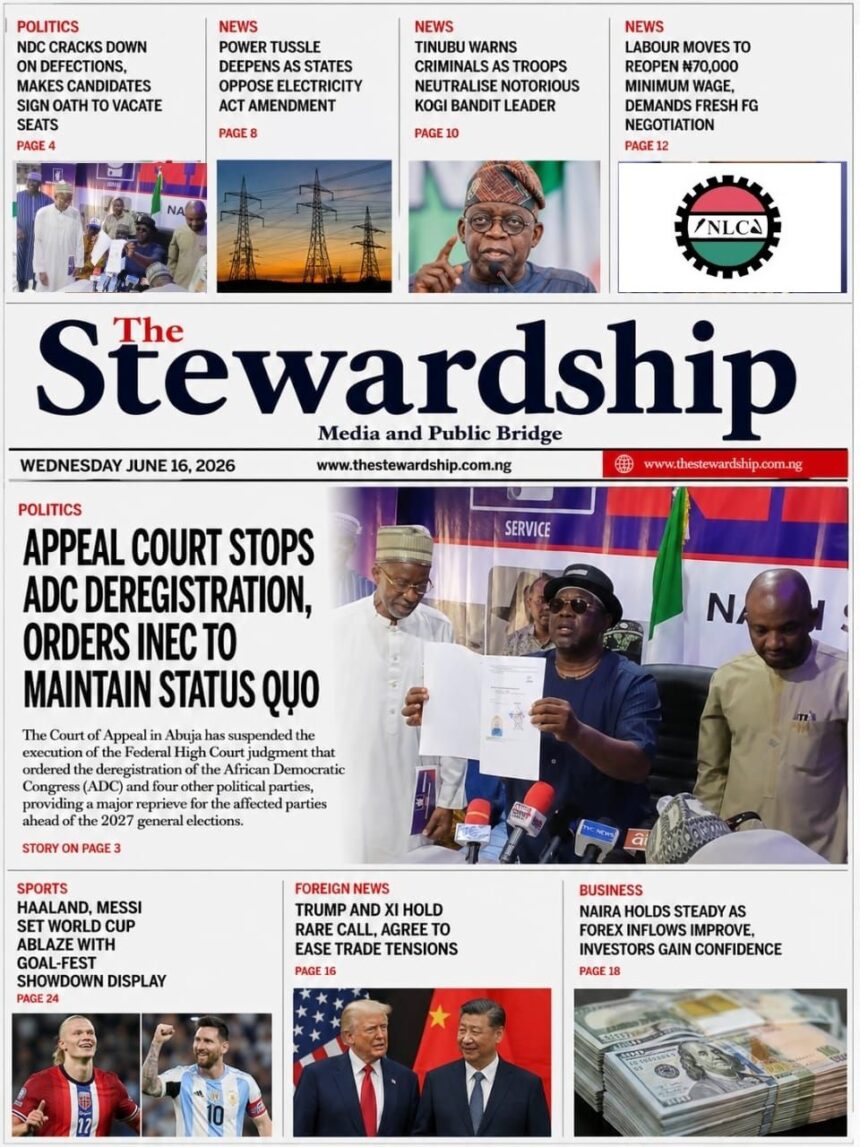
A fresh battle over the control of Nigeria’s electricity sector is brewing as state governments and their regulators have kicked against the Senate’s move to amend the Electricity Act 2023, warning that the proposed changes could reverse the gains of power sector decentralisation and scare away investors.
At the centre of the controversy is a bill sponsored by Senator Enyinnaya Abaribe seeking to amend the Electricity Act to strengthen the supervisory powers of the Nigerian Electricity Regulatory Commission (NERC), enhance coordination between federal and state regulators, address funding challenges and criminalise vandalism of power infrastructure.
However, the Forum of State Electricity Regulators argued that some provisions of the amendment bill amount to an attempt to restore excessive powers to the Federal Government, contrary to the spirit of the Constitution and the Electricity Act which granted states the right to establish and regulate their own electricity markets.
The state regulators specifically faulted proposals that would empower the NERC to impose additional licensing requirements and retain broad oversight powers over operators already licensed by states. They contended that such measures amount to double regulation and could create uncertainty for investors.
They also rejected provisions requiring state electricity laws and regulatory frameworks to conform strictly with federal guidelines, insisting that states should be free to develop their electricity markets in line with their peculiar economic realities.
According to the regulators, over 15 states have enacted electricity laws and established independent regulatory commissions, attracting investments estimated at over $1 billion.
They warned that altering the existing framework could jeopardise ongoing projects and undermine efforts to expand access to electricity.
While supporters of the amendment insist that stronger federal coordination is necessary to ensure uniform standards and seamless operation of the national grid, the states maintain that any review of the law must emerge from broad consultations with stakeholders and should not undermine the autonomy already granted to sub-national governments.
The disagreement has opened a new chapter in the struggle over who should control Nigeria’s power sector, with analysts warning that policy conflicts between the Federal Government and states could slow down efforts to achieve stable electricity supply across the country.